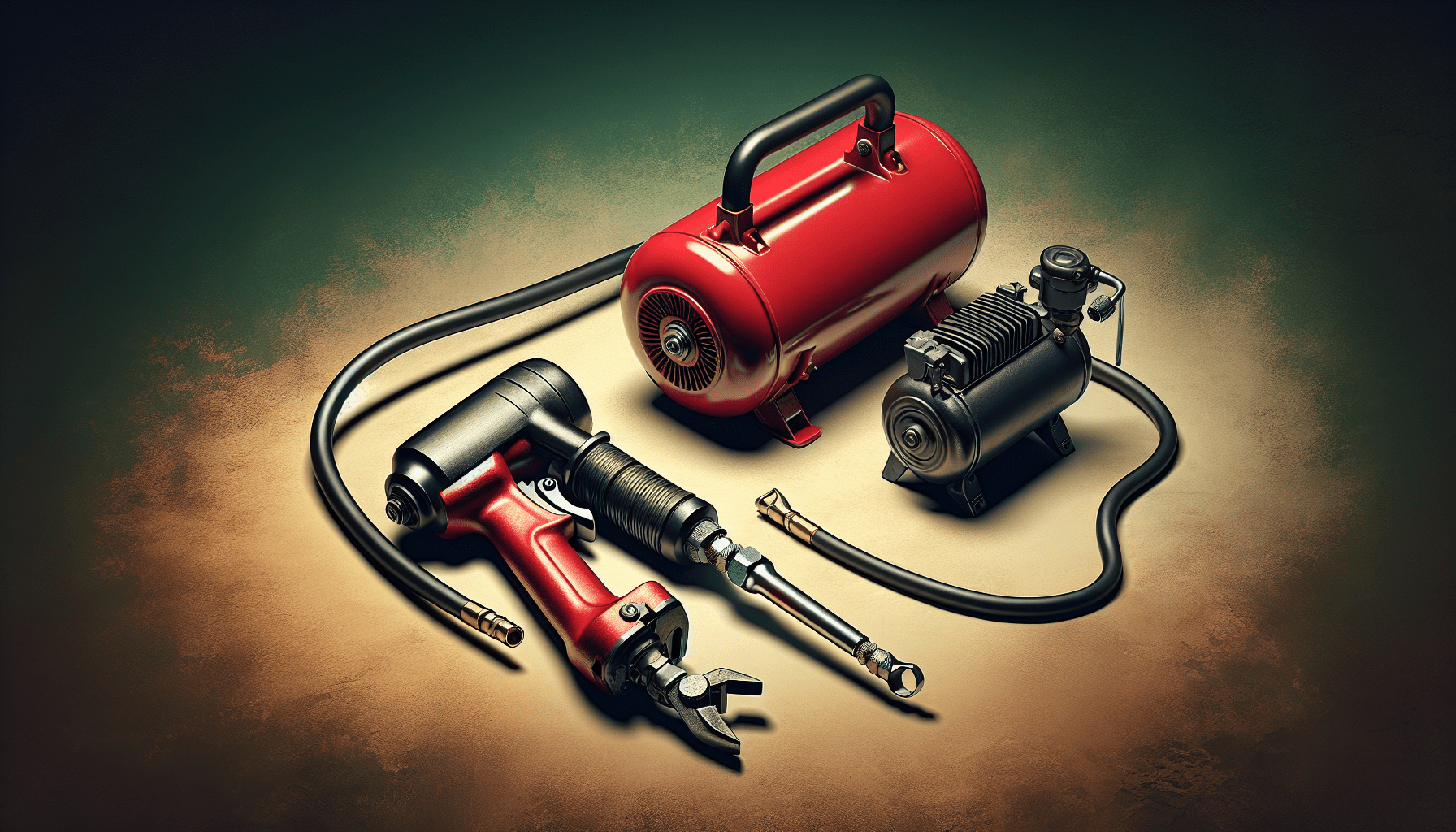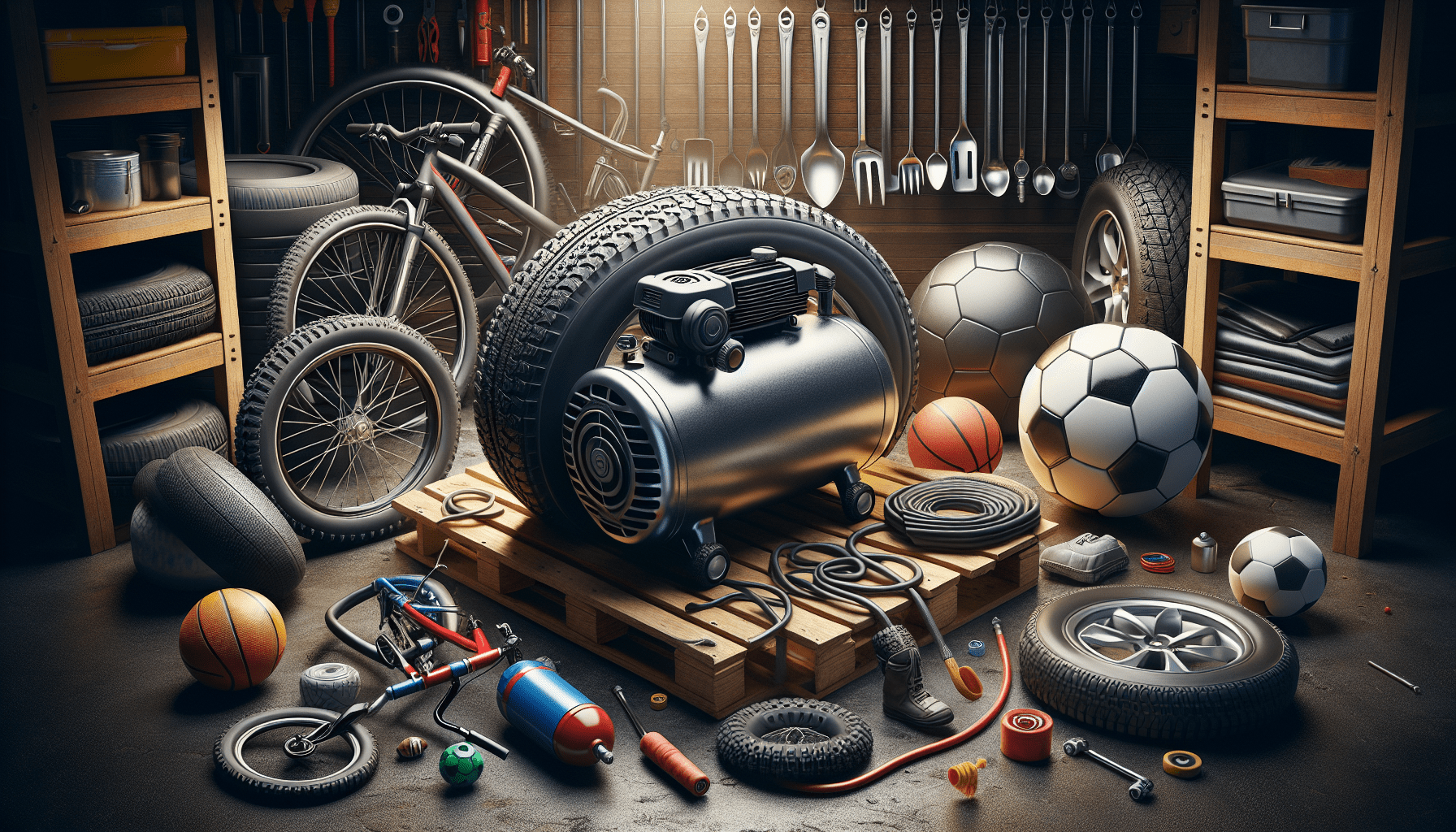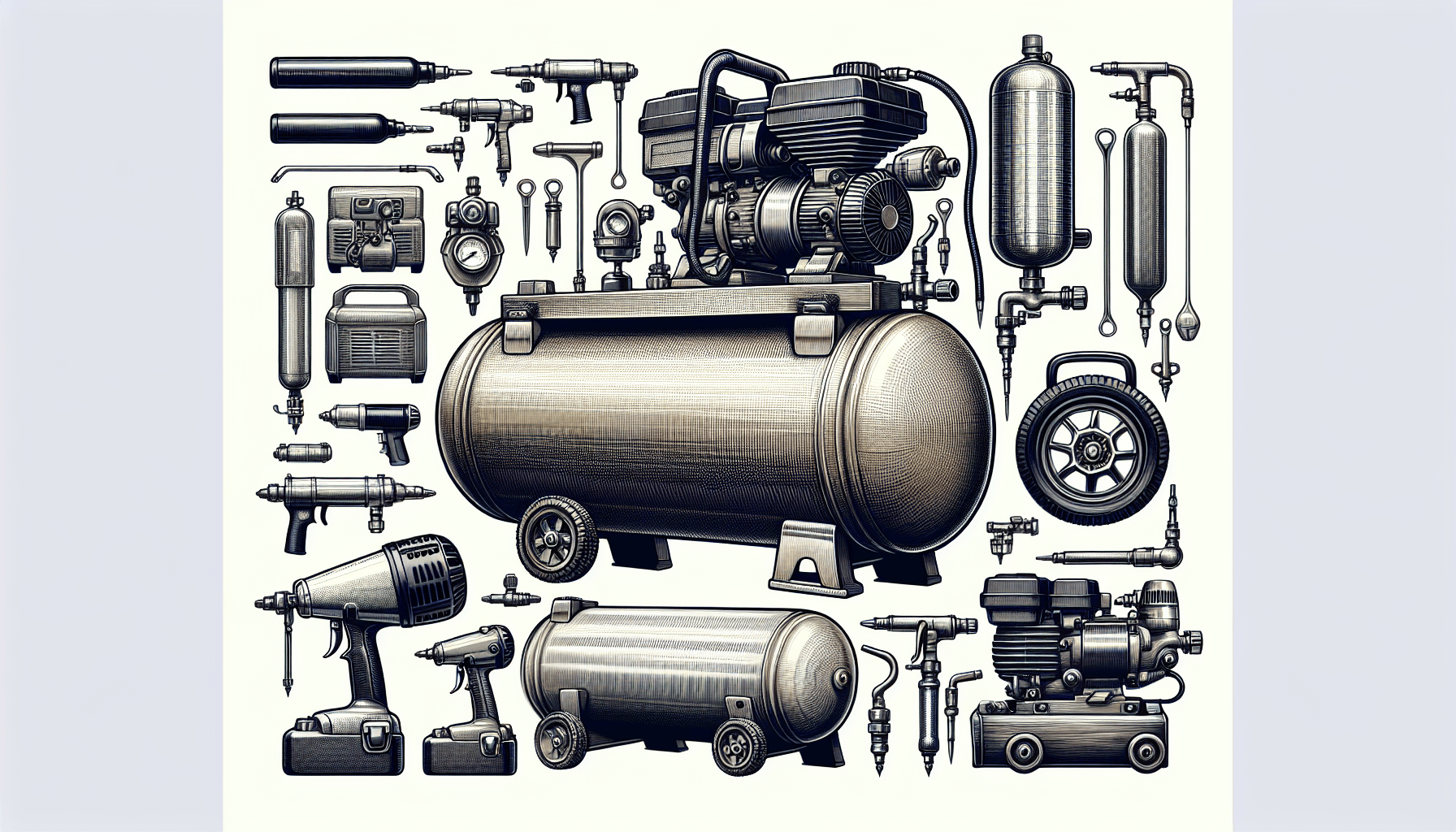
If you’ve ever been in the market for an air compressor, you’ve probably come across the question, “How many gallons is a good air compressor?” It’s a common concern among those looking to invest in this versatile tool. In this article, we’ll explore the importance of tank size and its impact on the performance and usability of an air compressor. By understanding the role of gallons in determining a good air compressor, you’ll be equipped with the knowledge to make an informed decision that suits your specific needs.
Factors to Consider
CFM
CFM, or cubic feet per minute, is an important factor to consider when choosing an air compressor. CFM refers to the volume of air the compressor can deliver in one minute. Different tools and applications require different CFM ratings, so it’s important to determine the specific CFM requirements for your tools before making a purchase.
Tank Size
The tank size of an air compressor refers to the amount of air it can store. A larger tank size means the compressor can hold more air, which can be beneficial for tools that require a continuous flow of air or for longer tasks that require sustained use. However, a larger tank size also means a heavier and less portable unit, so the appropriate tank size depends on your specific needs and usage.
Running Time
The running time of an air compressor refers to how long it can operate before needing a break. This is influenced by the size of the tank, the CFM rating, and the duty cycle of the compressor. Understanding the running time is important to ensure that the compressor can meet the demands of your tools or applications without overheating or causing interruptions.
Portable vs Stationary
Deciding between a portable or stationary air compressor depends on your needs and preferences. Portable compressors are lightweight and easy to move around, making them ideal for jobs that require mobility or for those who often work in different locations. On the other hand, stationary compressors are more powerful and suitable for heavy-duty tasks or those that require a continuous and stable air supply without the need for mobility.
CFM Requirements
When selecting an air compressor, it is crucial to consider the CFM requirements of the tools you intend to use. CFM requirements can be categorized into three main levels:
Tools with Low CFM Requirements
Some tools, such as brad nailers and airbrushes, have low CFM requirements. These tools typically require a CFM rating of around 0-5 CFM. For such tools, a smaller and more portable air compressor with a lower CFM rating would be sufficient.
Tools with Moderate CFM Requirements
Tools like impact wrenches and palm nailers usually require a moderate CFM rating of around 6-10 CFM. A larger air compressor with a higher CFM rating would be suitable for these tools, ensuring they receive a sufficient supply of air to operate effectively.
Tools with High CFM Requirements
Certain tools, such as sanders and spray guns, have high CFM requirements ranging from 11 CFM and above. Using these tools with a low CFM air compressor will result in poor performance and potential damage. For heavy-duty tools, it is essential to invest in a larger air compressor with a higher CFM rating.
Tank Size Considerations
The tank size of an air compressor plays a vital role in determining the working capacity and efficiency of the unit. Different tank sizes are suitable for different purposes, and understanding the various options can help you make an informed decision.
Small Tank Sizes
Air compressors with small tank sizes, typically between 1-3 gallons, are lightweight and highly portable. These compressors are ideal for light-duty tasks or occasional use where a continuous airflow is not a necessity. However, due to their smaller tank capacity, these compressors may require more frequent refilling.
Medium Tank Sizes
Air compressors with medium tank sizes, ranging from 4-6 gallons, strike a balance between portability and capacity. They offer a higher air capacity compared to smaller tanks, allowing for longer run times and reduced refilling frequency. These compressors are suitable for moderate-duty tasks or projects that require a sustained airflow for longer periods.
Large Tank Sizes
For heavy-duty applications or tasks that require a continuous supply of air, air compressors with large tank sizes are the most appropriate choice. These compressors typically have tank capacities of 10 gallons or more, providing ample air storage for extended use without the need for frequent refilling. However, they are heavier and less portable compared to smaller tank sizes.
Running Time and Duty Cycle
Understanding the running time and duty cycle of an air compressor is crucial to ensure its efficient and safe operation.
Duty Cycle
The duty cycle refers to the amount of time an air compressor can run within a given time period without overheating. It is usually expressed as a percentage, representing the ratio of on-time to off-time. For example, a 50% duty cycle means the compressor can run for 30 minutes and then must rest for 30 minutes to prevent overheating. It is important to consider the duty cycle of an air compressor to prevent damage and ensure its longevity.
Continuous Run Time
The continuous run time of an air compressor refers to the maximum duration the compressor can operate without stopping. This factor is influenced by the size of the tank, the CFM rating, and the duty cycle of the compressor. Longer continuous run times are beneficial for tasks that require uninterrupted airflow, while shorter run times may be sufficient for intermittent use or tasks with breaks in between.
Portable vs Stationary Compressors
Deciding between a portable or stationary air compressor depends on your specific needs and preferences. Each type has its advantages and considerations.
Portable Compressors
Portable air compressors are designed to be lightweight and easy to transport. They often come with handles or wheels, making them convenient for jobs that require mobility or for users constantly on the move. Portable compressors are suitable for tasks such as inflating tires, powering pneumatic tools outdoors, or working in multiple locations.
Stationary Compressors
Stationary air compressors, also known as fixed or industrial compressors, are larger and more powerful units designed for heavy-duty applications. They are typically not as portable as their portable counterparts due to their size and weight. Stationary compressors are better suited for workshops, garages, or locations where a stable and constant supply of compressed air is required for longer operating times.
Popular Gallon Sizes
Air compressors come in a variety of gallon sizes, each offering different advantages and capabilities. Understanding the common gallon sizes can help you choose the right air compressor for your needs.
1 Gallon
Air compressors with a 1-gallon tank size are among the smallest options available. While they are highly portable and lightweight, they are best suited for light-duty tasks or quick inflation needs.
2 Gallon
A 2-gallon air compressor offers slightly more air storage than a 1-gallon model. They are still compact and portable, making them suitable for DIY projects or tasks that require occasional use of air tools.
3 Gallon
Air compressors with a 3-gallon tank size are versatile and provide a good balance between portability and capacity. They can handle moderate-duty tasks and are suitable for home workshops or small-scale professional use.
4 Gallon
With a slightly larger capacity, 4-gallon air compressors can tackle more demanding projects. They provide longer run times and reduced refilling frequency, making them suitable for a range of applications, including powering pneumatic tools and powering airbrushes.
6 Gallon
6-gallon air compressors offer increased air storage and are better suited for medium-duty tasks. They provide longer run times and are ideal for carpentry, painting, and automotive tasks that require sustained airflow.
8 Gallon
For larger projects or more demanding applications, 8-gallon air compressors provide extended air capacity. They are suitable for professional use or tasks that require consistent and continuous airflow, such as sanding, painting, or running multiple tools simultaneously.
10 Gallon
10-gallon air compressors are heavy-duty units suitable for professional workshops or construction sites. They can handle demanding tasks where a constant and continuous supply of compressed air is crucial. These compressors are heavier and less portable but offer greater air storage and longer run times.
20 Gallon
Air compressors with a 20-gallon tank size are designed for heavy-duty tasks and longer run times. These compressors are commonly used in construction, automotive repair, or industrial settings where a significant amount of compressed air is required.
30 Gallon
30-gallon air compressors are large and powerful units, mainly used in commercial and professional settings. They have the capacity to handle demanding tasks and power multiple pneumatic tools simultaneously. These compressors are not portable and are better suited for stationary applications.
60 Gallon
Air compressors with a 60-gallon tank size are heavy-duty units commonly used in commercial and industrial settings. These compressors can handle the most demanding tasks, such as sandblasting, painting large surfaces, or operating heavy-duty pneumatic machinery. They provide long run times and are not portable due to their size and weight.
Choosing the Right Air Compressor
To choose the right air compressor for your needs, it is important to consider several factors:
Consider Your Needs
Start by evaluating your specific needs and the types of tasks you will be performing. Determine the tools you will be using and their CFM requirements to ensure the air compressor can deliver the necessary airflow.
Evaluate Your Tools
Review the CFM requirements of your tools and match them with the appropriate CFM rating of the air compressor. Make sure to consider the highest CFM requirement of all your tools to ensure compatibility and optimal performance.
Balancing CFM and Tank Size
Consider the balance between CFM and tank size. If your tools require a high CFM rating, you may need a larger tank size to ensure a continuous air supply. However, if portability is important, a smaller tank size and lower CFM rating may be more suitable.
Understanding Duty Cycle
Understand the duty cycle of the air compressor to prevent overheating and ensure its longevity. Match the duty cycle with your expected usage to avoid any performance issues or potential damage.
Assessing Portability vs Stationarity
Decide whether you need a portable or stationary air compressor based on your work environment and mobility requirements. Consider the weight, size, and portability features to determine what suits your needs best.
Budget Considerations
Lastly, consider your budget when choosing an air compressor. Determine a reasonable price range and explore options that offer the features and specifications you require within your budget.
By considering these factors, evaluating your needs, and understanding the capabilities of different air compressor models, you can choose the right air compressor that will meet your requirements and provide efficient and reliable performance.