Imagine having the ability to transform your car with a fresh coat of paint, all from the convenience of your own garage. Now, you may be wondering if that 20 gallon air compressor sitting in the corner of your workshop is up to the task. Well, it’s time to put your doubts to rest and discover the truth. In this article, we will explore the capabilities of a 20 gallon air compressor and whether or not it has what it takes to paint a car. So, buckle up and let’s find out if this compact powerhouse can unleash your inner artist.
Understanding an Air Compressor
How an air compressor works
An air compressor is a versatile tool that is used to convert power into potential energy stored in pressurized air. It operates using a motor or engine that pumps air into a storage tank. The air is then compressed, resulting in increased air pressure. When this pressurized air is released, it can be used for a variety of tasks, including car painting.
Different types of air compressors
There are several different types of air compressors available on the market, each with its own unique features and advantages. The most common types include reciprocating air compressors, rotary screw air compressors, and centrifugal air compressors. Reciprocating air compressors use pistons to compress air, while rotary screw compressors use two rotating meshing screws. Centrifugal air compressors, on the other hand, utilize a rotating impeller to increase air pressure.
Car Painting Requirements
Amount of air pressure needed for car painting
When it comes to car painting, the amount of air pressure required will depend on the specific paint system being used. Generally, automotive paint manufacturers recommend using air pressure between 25 and 50 PSI (pounds per square inch) for car painting. However, it is essential to refer to the specific recommendations provided by the paint manufacturer to achieve the best results.
Air consumption rate for painting a car
The air consumption rate for painting a car can vary depending on the size of the spray gun nozzle and the air pressure used. On average, a conventional spray gun will consume around 9-10 CFM (cubic feet per minute) at 30-40 PSI. However, it’s important to note that larger spray guns or ones with higher air pressure requirements may consume more air. Understanding the air consumption rate is crucial for selecting an appropriate air compressor.
Evaluation of a 20 Gallon Air Compressor
Capacity and power of a 20-gallon air compressor
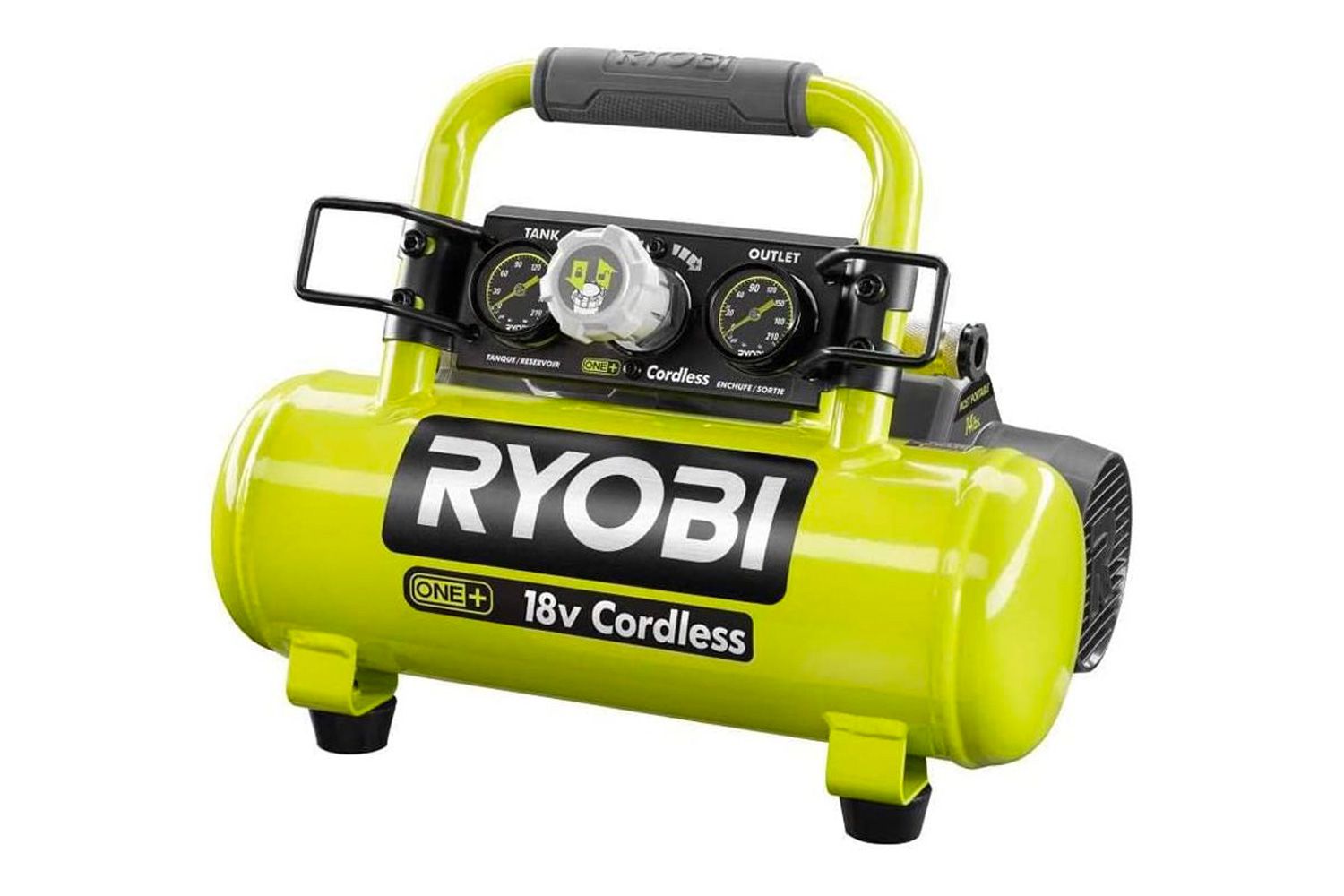
A 20-gallon air compressor refers to the size of the storage tank, which can hold up to 20 gallons of compressed air. The capacity of the tank determines how long the compressor can run before it needs to refill. In terms of power, a 20-gallon air compressor typically operates using a motor with a horsepower rating between 1.5 and 2.5 HP (horsepower). This power rating allows the compressor to generate sufficient airflow for various applications, including car painting.
Suitability for small painting projects
A 20-gallon air compressor is generally suitable for small painting projects, such as painting a single car panel or a small section of a vehicle. It provides enough air capacity and pressure to effectively operate a spray gun and achieve a quality finish. However, it may not be ideal for larger painting projects that require a continuous air supply for an extended period.
Factors Affecting Car Painting with a 20 Gallon Air Compressor
Size of the compressor tank
The size of the compressor tank plays a significant role in determining the air capacity available for painting. A larger tank, such as a 20-gallon tank, provides a sufficient amount of compressed air for small to medium-sized painting projects. However, it may not be suitable for larger projects that require a continuous supply of air.
Airflow (CFM) requirement for painting a car
The airflow requirement, measured in CFM, refers to the amount of air needed to sustain the continuous operation of a spray gun during car painting. Different spray gun models and nozzle sizes have varying CFM requirements. It is crucial to ensure that the 20-gallon air compressor can deliver the necessary CFM at the desired pressure for the specific spray gun being used.
Spray gun and nozzle selection
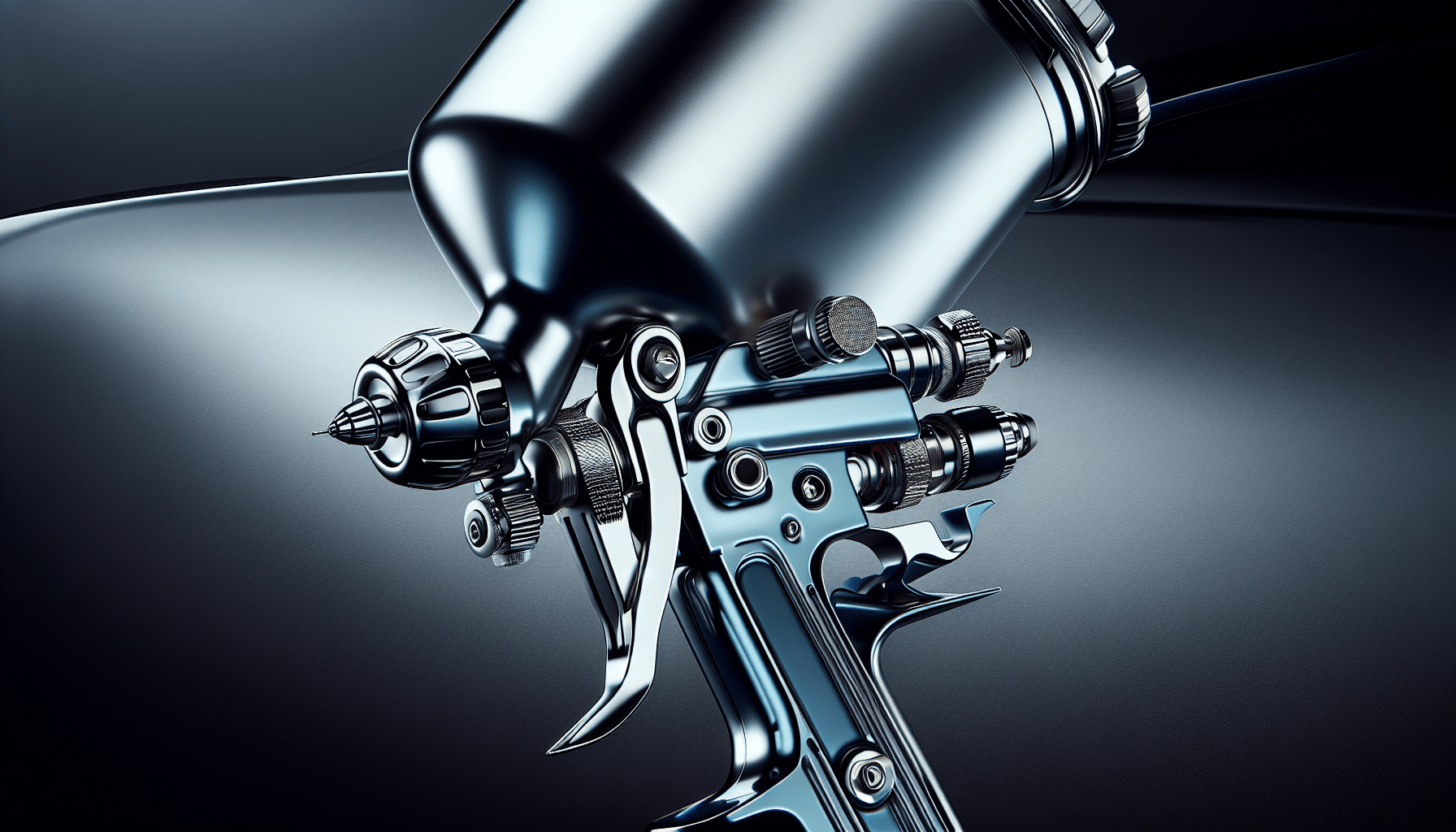
The choice of spray gun and nozzle can greatly impact the performance of a 20-gallon air compressor for car painting. It is essential to select a spray gun and nozzle combination that can operate within the airflow and pressure capabilities of the compressor. By choosing an appropriately sized spray gun and nozzle, you can optimize the performance and maximize the efficiency of the 20-gallon air compressor.
Optimizing a 20 Gallon Air Compressor for Car Painting
Using an air regulator and filter
To optimize a 20-gallon air compressor for car painting, it is recommended to use an air regulator and filter. An air regulator allows you to adjust the air pressure coming from the compressor to the desired level, ensuring consistent and accurate paint application. A filter helps remove any moisture or contaminants from the compressed air, preventing them from affecting the painting process.
Choosing the right paint and thinner
When using a 20-gallon air compressor for car painting, it is essential to choose the right paint and thinner. Consult the paint manufacturer’s recommendations to ensure compatibility with the compressor and spray gun. Using the correct paint and thinner will ensure proper atomization and enhance the overall quality of the finished paint job.
Proper maintenance and maintenance schedule
Regular maintenance is vital for prolonging the lifespan and optimizing the performance of a 20-gallon air compressor. This includes checking and changing the oil as needed, inspecting and cleaning the air filters, and ensuring proper tension on belts and fittings. Following a maintenance schedule recommended by the manufacturer will help prevent unnecessary breakdowns and ensure reliable operation during car painting.
Alternative Solutions for Car Painting
Renting a larger air compressor
If you have larger painting projects that require a continuous air supply, renting a larger air compressor may be a feasible option. Renting allows you to access the necessary air capacity and pressure without the need for a permanent investment. This solution is particularly beneficial for occasional or one-time use.
Using a smaller spray gun
A smaller spray gun can be used as an alternative solution when working with a 20-gallon air compressor for car painting. By choosing a smaller spray gun nozzle size, you can reduce the CFM requirement and still achieve satisfactory results. However, it is crucial to balance the need for a smaller spray gun with the desired quality and efficiency of the paint job.
Using a different painting method
In some cases, using a different painting method altogether may be a viable alternative when working with a 20-gallon air compressor. For example, HVLP (High Volume Low Pressure) painting systems require lower CFM compared to conventional spray guns, making them suitable for use with a 20-gallon air compressor. Exploring different painting methods can help optimize the compressor’s performance for car painting.
Benefits of Using a 20 Gallon Air Compressor for Car Painting
Compact size and portability
One of the significant benefits of using a 20-gallon air compressor for car painting is its compact size and portability. Compared to larger air compressors, a 20-gallon model is more lightweight and easier to maneuver. This makes it ideal for small-scale painting projects or for those who require a portable compressor.
Cost-effective compared to larger air compressors
Another advantage of a 20-gallon air compressor is its cost-effectiveness compared to larger models. It is generally more affordable to purchase and maintain a 20-gallon compressor than a larger one. Additionally, the reduced energy consumption of a smaller compressor can result in lower utility costs in the long run.
Drawbacks of Using a 20 Gallon Air Compressor for Car Painting
Limited air capacity for larger projects
One drawback of using a 20-gallon air compressor for car painting is its limited air capacity. If you are working on larger painting projects or require a continuous air supply, a 20-gallon tank may not be sufficient. It may lead to frequent pauses to allow the compressor to refill, which can interrupt the painting process.
Potential strain on the compressor
Using a 20-gallon air compressor for car painting can potentially put a strain on the compressor, especially if it is operated at its maximum capacity for an extended period. Continuous high-demand usage may increase the operating temperature and put additional stress on the compressor’s components, leading to potential wear and tear.
Tips for Successful Car Painting with a 20 Gallon Air Compressor
Practice on small surfaces first
Before tackling larger car painting projects, it is advisable to practice on smaller surfaces first. This allows you to familiarize yourself with the equipment, adjust the settings, and ensure consistent paint application. Practice sessions will help you understand how the 20-gallon air compressor performs and optimize its use for satisfactory results.
Maintain consistent airflow and pressure
Maintaining consistent airflow and pressure is crucial for achieving a professional-looking paint job with a 20-gallon air compressor. Use an air regulator to adjust the pressure according to the paint manufacturer’s recommendations, and regularly monitor and adjust the settings as needed. Consistency in airflow and pressure will help achieve even paint coverage and prevent issues such as orange peel or runs.
Properly prepare the surface before painting
To ensure a flawless paint job with a 20-gallon air compressor, it is essential to properly prepare the surface before painting. This includes cleaning the surface, removing any rust or old paint, and applying primer if necessary. Adequate surface preparation will enhance paint adhesion and contribute to a long-lasting and professional finish.
Conclusion
While a 20-gallon air compressor may have its limitations, it can certainly be used for car painting with proper considerations and optimizations. Understanding the requirements and factors affecting car painting, as well as implementing tips for successful painting, can help maximize the performance of the 20-gallon air compressor. Whether for small-scale projects or occasional use, a 20-gallon air compressor can be a cost-effective and practical choice for car painting.