Imagine having a 6 gallon compressor and wondering if it can handle the power of an impact wrench. Well, you’re in luck because we’re about to uncover the answer. In this article, we’ll explore whether a 6 gallon compressor has what it takes to run an impact wrench smoothly and efficiently. So, grab a cup of coffee, sit back, and get ready to find out if your trusty compressor can handle the job!
Can a 6 gallon compressor run an impact wrench?
Understanding the basics of an impact wrench
Before we delve into whether a 6 gallon compressor can run an impact wrench, let’s take a moment to understand the basics of an impact wrench. An impact wrench is a powerful tool commonly used in automotive repairs and construction projects. It is specifically designed to apply high torque with minimal effort, making it ideal for tasks such as loosening and tightening bolts and lug nuts.
Determining the required air pressure for an impact wrench
To determine whether a 6 gallon compressor can handle an impact wrench, we first need to consider the required air pressure for the tool. Most impact wrenches have a recommended operating pressure range between 90 to 120 pounds per square inch (psi). This means that the compressor must be able to consistently supply air within this pressure range to ensure proper functionality of the impact wrench.
Calculating the air consumption of an impact wrench
Another important factor to consider is the air consumption of the impact wrench. The air consumption is measured in terms of cubic feet per minute (CFM) and represents the amount of air the wrench requires to operate effectively. Impact wrenches typically have an air consumption ranging from 2 to 6 CFM, depending on their size and power.
Assessing the capacity of a 6 gallon compressor
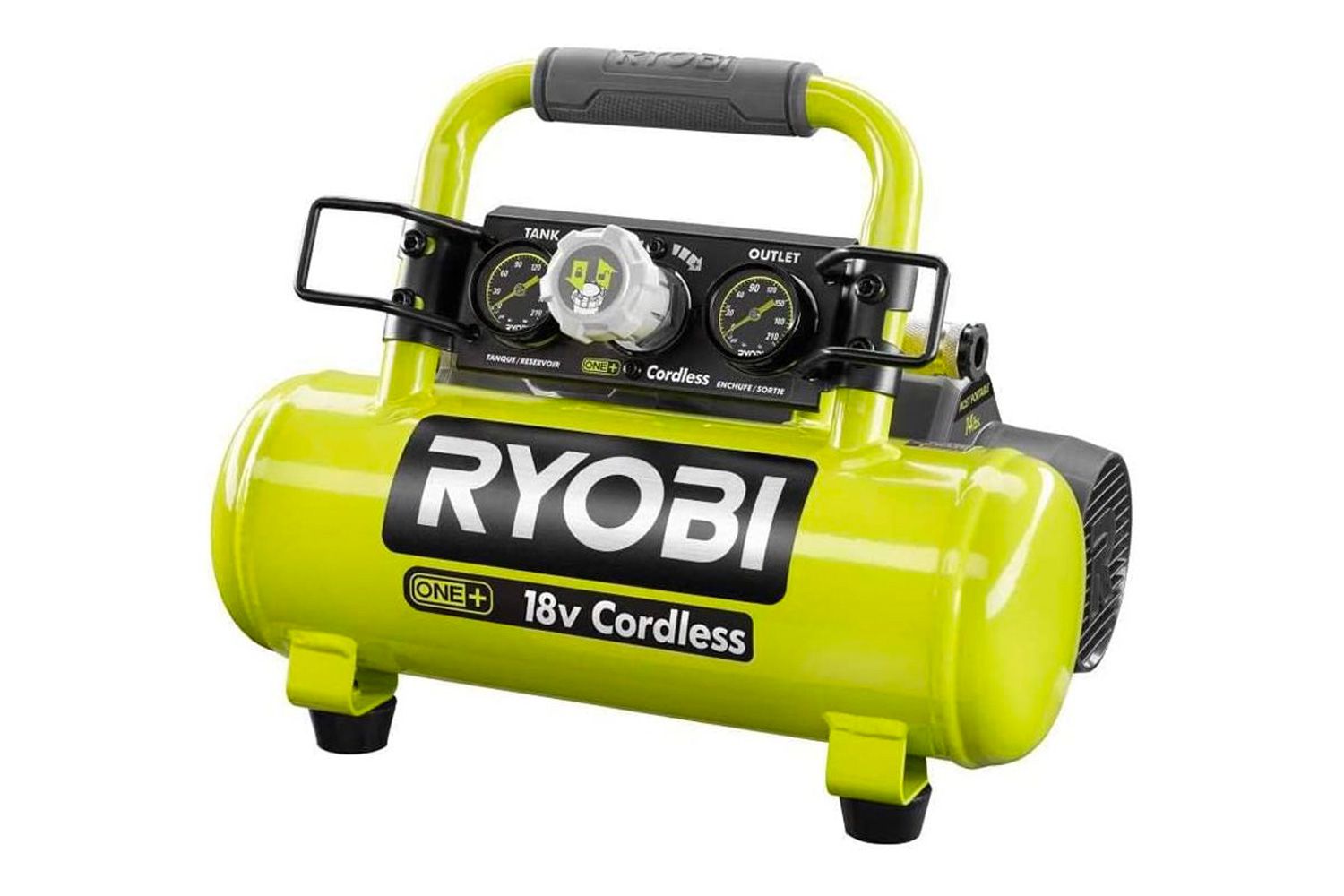
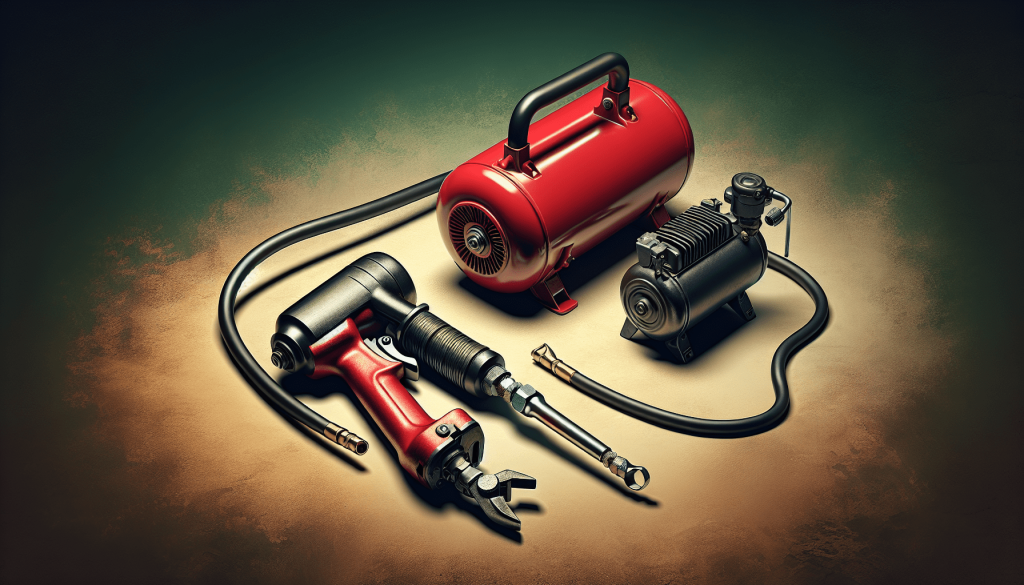
A 6 gallon compressor refers to the tank capacity of the device. Tank capacity plays a key role in the operation of a compressor, as it determines the amount of compressed air that can be stored and supplied. However, it is important to note that the tank capacity alone does not guarantee the ability to sustain the required air pressure or provide the necessary air volume for the impact wrench.
Matching the air pressure requirements of an impact wrench with the compressor’s capacity
Considering the required air pressure for an impact wrench falls within the range of 90 to 120 psi, a 6 gallon compressor should be able to generate and maintain this level of pressure. However, it’s crucial to ensure that the compressor has enough power to maintain the required pressure while the impact wrench is in use. If the compressor’s motor and pump are not strong enough, it may struggle to maintain a consistent pressure, resulting in suboptimal performance of the impact wrench.
Considering the duty cycle of a 6 gallon compressor
The duty cycle of a compressor refers to the amount of time it can run continuously before needing to cool down. Since impact wrenches are often used for prolonged periods during projects, it is important to check the duty cycle of a 6 gallon compressor. Compressors with shorter duty cycles may not be able to sustain prolonged use of an impact wrench, as they may overheat and require frequent breaks.
Potential limitations of using a 6 gallon compressor for an impact wrench
While a 6 gallon compressor has the potential to run an impact wrench, it is important to consider its limitations. The small tank capacity of a 6 gallon compressor means it can store a limited amount of compressed air. When using an impact wrench that has higher CFM requirements, the compressor may struggle to supply a consistent air volume, leading to reduced performance and shorter runtime. Additionally, the limited motor power of a 6 gallon compressor may result in slower speed and torque delivery from the impact wrench.
Additional considerations for optimal performance
To maximize the performance of both the 6 gallon compressor and the impact wrench, there are a few additional considerations to keep in mind. Firstly, it is crucial to use the appropriate size air hose to minimize air pressure loss during transfer. Secondly, regular maintenance and proper oiling of the compressor’s motor and pump can greatly enhance its efficiency and longevity. Lastly, using extension cords that are too long or inadequate for the power requirements may limit the performance of the compressor and, subsequently, the impact wrench.
Benefits of using a larger capacity compressor
While a 6 gallon compressor may be sufficient for occasional or light-duty use with an impact wrench, there are undeniable benefits to using a larger capacity compressor. A larger capacity compressor, such as a 20 gallon or 30 gallon model, offers increased air storage capacity and a more powerful motor and pump. This allows for longer runtimes, faster air delivery, and the ability to handle impact wrenches with higher CFM requirements. In addition, larger capacity compressors often have longer duty cycles, ensuring uninterrupted use during more demanding projects.
Conclusion
In conclusion, while a 6 gallon compressor can potentially run an impact wrench, it may not provide optimal performance for prolonged or heavy-duty use. It is crucial to assess the required air pressure and CFM of the impact wrench, and compare it with the compressor’s capacity and capabilities. Additionally, considering the duty cycle and potential limitations of a 6 gallon compressor is important to ensure reliable and efficient operation. If you frequently use an impact wrench or engage in projects that require sustained usage, upgrading to a larger capacity compressor would be a wise investment for enhanced performance and productivity.