When it comes to air compressors, finding the right size for your needs can feel like a daunting task. Whether you’re a seasoned DIYer or just starting out, it’s important to have the right tool for the job. In this article, we will explore the factors to consider when determining the size of air compressor that best suits your needs, so you can tackle any project with ease. So, let’s get started and find out what size air compressor you really need!
Factors to Consider
When determining the right size air compressor for your needs, there are several factors to consider. These include the required tools and equipment, air pressure and flow requirements, duty cycle, and portability.
Required Tools and Equipment
The first factor to consider when choosing the right size air compressor is the tools and equipment you will be using. Different tools have different air pressure and flow requirements, so it is important to choose an air compressor that can meet these needs. Make a list of all the tools you will be using with the air compressor and their specific requirements.
Air Pressure and Flow Requirements
Air pressure is typically measured in pounds per square inch (PSI), while air flow is measured in cubic feet per minute (CFM). The air pressure requirement will depend on the tools and equipment you will be using, as well as any specific industry standards. The air flow requirement, on the other hand, will depend on the rate at which your tools consume air. It is important to choose an air compressor that can provide both the necessary air pressure and flow for your specific needs.
Duty Cycle
The duty cycle refers to the amount of time an air compressor can run continuously before needing to cool down. It is important to choose an air compressor with a duty cycle that matches your needs. If you will be using the air compressor for extended periods of time, a higher duty cycle is recommended to ensure uninterrupted operation.
Portability
Consider whether you need a portable air compressor or if a stationary one will suffice. If you will be working in different locations or need to transport the air compressor frequently, portability is a crucial factor to consider. Portable air compressors are typically smaller and easier to transport, while stationary ones are larger and more suitable for fixed locations.
Understanding Air Compressor Specifications
To make an informed decision about the right size air compressor for your needs, it is important to understand the various specifications commonly associated with air compressors. These include PSI, CFM, tank size, horsepower, and duty cycle.
PSI (Pounds per Square Inch)
PSI, or pounds per square inch, refers to the amount of pressure an air compressor can deliver. It is important to choose an air compressor with a PSI rating that matches or exceeds the highest PSI requirement of the tools and equipment you will be using. Neglecting to do so may result in insufficient air pressure and compromised performance.
CFM (Cubic Feet per Minute)
CFM, or cubic feet per minute, refers to the volume of air that an air compressor can deliver. Different tools and equipment require different air flow rates, so it is essential to choose an air compressor with a CFM rating that meets the requirements of your tools. Failure to do so may result in inadequate air flow and reduced efficiency.
Tank Size
The tank size of an air compressor determines the amount of compressed air that can be stored at a given time. A larger tank size ensures a ready supply of compressed air, reducing the need for the air compressor to constantly run. This is particularly beneficial if your tools require intermittent bursts of air. However, if your tools require a continuous supply of air, a larger tank may not be as important.
Horsepower (HP)
Horsepower, or HP, is a measure of the power output of an air compressor’s motor. Although it is commonly associated with performance, HP should not be the sole determining factor when choosing the right size air compressor. Other specifications, such as PSI and CFM, are more indicative of an air compressor’s capabilities.
Duty Cycle
As mentioned earlier, the duty cycle represents the amount of time an air compressor can operate continuously before requiring a cooldown period. Duty cycle is typically expressed as a percentage, indicating the ratio of runtime to cooldown time. It is important to choose an air compressor with a duty cycle that matches your specific needs to ensure continuous operation without overheating.

Determining the Right Size
Now that you understand the various specifications associated with air compressors, you can determine the right size for your needs.
Step 1: Determine the Highest PSI Requirement
Begin by identifying the tool or equipment with the highest PSI requirement. This will serve as a baseline for choosing an air compressor that can meet this requirement. Make note of the PSI rating and ensure that any air compressor you consider has a PSI rating that matches or exceeds this highest requirement.
Step 2: Calculate CFM Requirements
Next, calculate the total CFM requirement for all the tools and equipment you will be using simultaneously. Add up the individual CFM ratings of each tool to determine the total CFM requirement. Choose an air compressor that has a CFM rating that meets or exceeds this total requirement.
Step 3: Consider Tank Size and Duty Cycle
Finally, consider the tank size and duty cycle of the air compressor. If your tools require intermittent bursts of air, a larger tank size may be beneficial to ensure a continuous supply of compressed air. However, if your tools require a continuous supply of air, a larger tank may not be as important. Additionally, choose an air compressor with a duty cycle that matches your anticipated usage to avoid overheating and downtime.
Common Compressor Sizes and Their Uses
Air compressors come in various sizes, each catering to different needs and applications. Here are some common compressor sizes and their typical uses:
Small-Sized Compressors
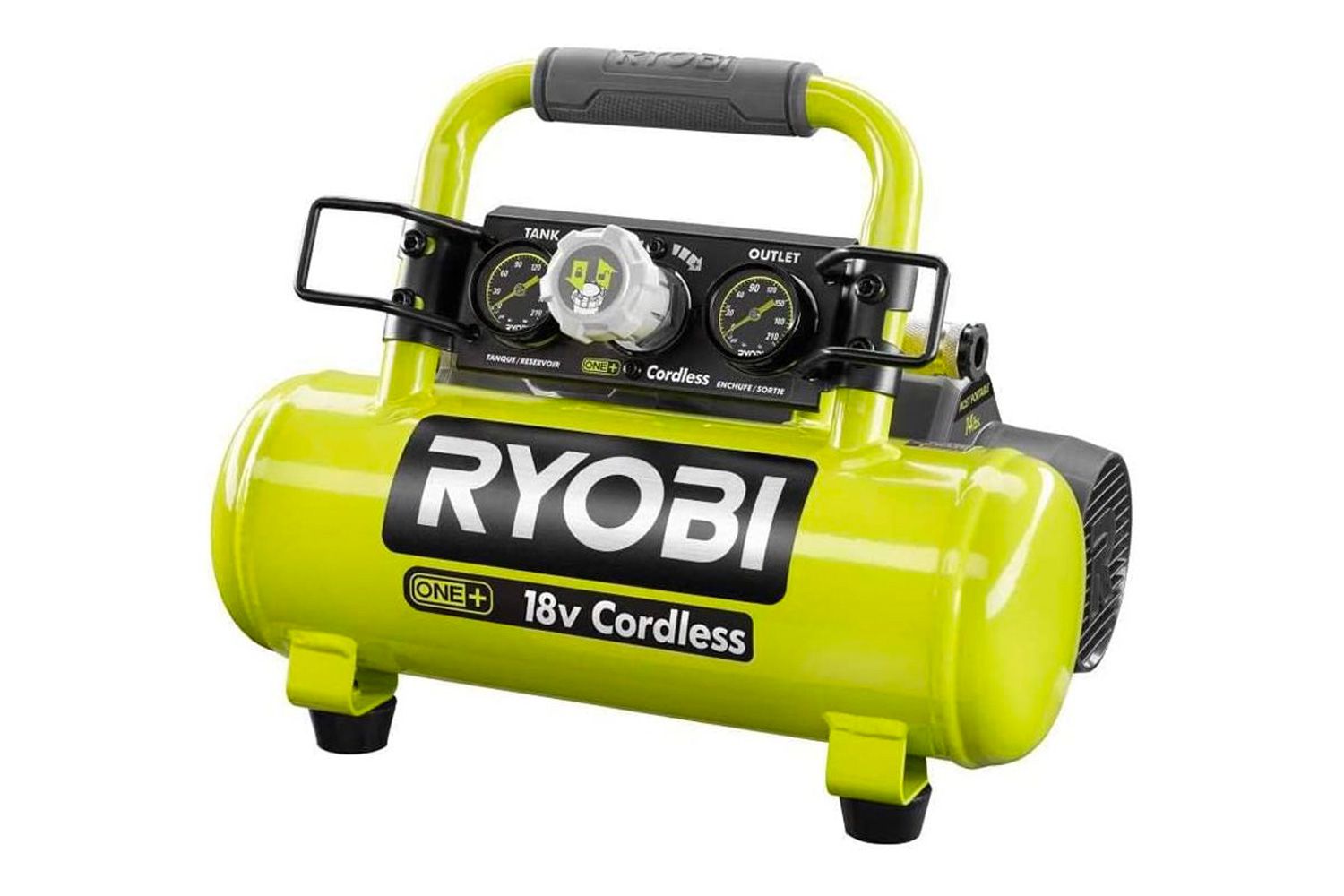
Small-sized air compressors are typically lightweight and portable, making them ideal for DIY projects and small-scale applications. They are commonly used for inflating tires, powering small air tools, and operating paint sprayers. These compressors generally have lower PSI and CFM ratings due to their smaller size and power output.
Medium-Sized Compressors
Medium-sized air compressors strike a balance between portability and power. They are suitable for a wide range of applications, from automotive repairs to light industrial tasks. These compressors have higher PSI and CFM ratings compared to small-sized compressors and can handle a broader range of air tools and equipment.
Large-Sized Compressors
Large-sized air compressors are heavy-duty machines designed for commercial and industrial applications. They have high PSI and CFM ratings, allowing them to power a wide variety of air tools and equipment simultaneously. These compressors are typically stationary due to their size and weight, making them well-suited for fixed locations such as workshops and manufacturing facilities.

Special Considerations
In addition to the factors and specifications mentioned earlier, there are several other factors to consider when choosing the right air compressor for your needs.
Multiple Compressors
If your air pressure and flow requirements are exceptionally high, you may need to consider using multiple air compressors in parallel. This allows for increased air supply and distribution, ensuring that even the most demanding tools and equipment receive adequate air pressure and flow.
Noise Level
Air compressors can be noisy machines, especially larger models with powerful motors. If noise is a concern for you, consider purchasing a compressor with noise-reducing features or opting for a quieter type, such as a rotary screw compressor.
Power Source
Consider the power source required for the air compressor. Some models run on electricity, while others run on gasoline or diesel. Choose a power source that aligns with your availability and convenience. For example, if you will be working in a stationary location with easy access to electricity, an electric air compressor may be the best option.
Budget
Last but not least, consider your budget when choosing an air compressor. Prices can vary significantly depending on the size, brand, and features of the compressor. Set a budget that is realistic for your needs and prioritize the specifications that are most important to you.
Choosing the Right Type
In addition to size considerations, it is important to choose the right type of air compressor for your needs. Here are some common types of air compressors:
Reciprocating/Piston Compressors
Reciprocating or piston compressors are the most common type of air compressor. They use a piston and cylinder system to compress air. They come in both single-stage and two-stage configurations, with the latter providing higher pressures. Piston compressors are versatile and suitable for a wide range of applications.
Rotary Screw Compressors
Rotary screw compressors are used in commercial and industrial settings that require a continuous supply of compressed air. They use two interlocking helical screws to compress air and are known for their efficiency and reliability. Rotary screw compressors are typically larger and more expensive than piston compressors but offer higher air flow rates and longer duty cycles.
Rotary Vane Compressors
Rotary vane compressors are compact compressors suitable for small-scale applications. They utilize a rotor with sliding vanes to compress air. While they may not offer the same power as piston or screw compressors, they are lightweight, portable, and relatively quiet.
Oil-Free Compressors
Oil-free compressors, as the name suggests, do not require oil for lubrication. They are typically used in applications where oil contamination is a concern, such as in food and beverage industries or cleanroom environments. Oil-free compressors are available in both piston and rotary screw configurations.

Additional Tips
Here are some additional tips to keep in mind when choosing an air compressor:
Consider Future Expansion
If you anticipate your air pressure and flow requirements increasing in the future, it may be prudent to choose an air compressor that is slightly larger than your current needs. This will allow for future expansion without the need for immediate replacement.
Check for Safety Features
Safety should always be a priority when working with air compressors. Look for compressors with safety features such as pressure relief valves and thermal overload protection. These features help prevent accidents and protect the longevity of your compressor.
Consider Maintenance and Service
Routine maintenance and service are essential for the longevity and optimal performance of your air compressor. Before making a purchase, consider factors such as ease of maintenance, availability of replacement parts, and the manufacturer’s reputation for customer support.
Conclusion
Choosing the right size air compressor requires careful consideration of several factors, including required tools and equipment, air pressure and flow requirements, duty cycle, and portability. Understanding the various specifications associated with air compressors, such as PSI, CFM, tank size, horsepower, and duty cycle, is crucial for making an informed decision. By following the steps outlined in this article and considering special considerations, budget, and choosing the right type of compressor, you will be able to select an air compressor that meets your specific needs and ensures optimal performance.