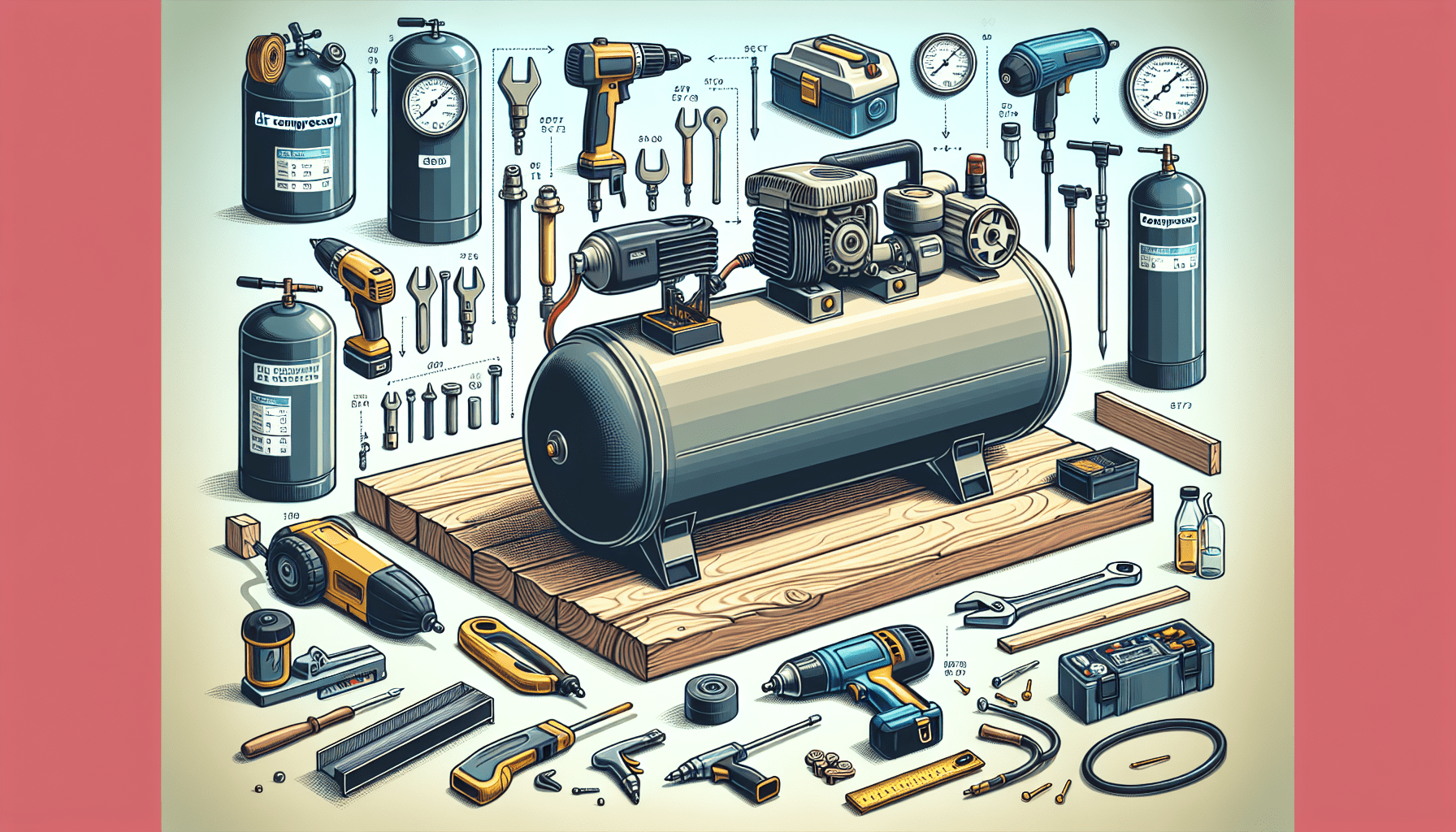
Portable air compressors are a popular tool with a variety of uses, from inflating tires to powering pneumatic tools. But have you ever wondered how long these handy devices are designed to last? In this article, we will explore the average life expectancy of a portable air compressor, giving you a better understanding of when it might be time to invest in a new one. So, if you’re curious about the longevity of your trusty compressor, keep reading to find out more! When it comes to the life expectancy of a portable air compressor, there are several factors that come into play. These factors can significantly impact how long your compressor will last and how well it will perform over time. In this article, we will look at three main factors that affect the life expectancy of a portable air compressor: usage intensity, quality of materials and construction, and maintenance and care.
Usage intensity
The intensity of usage refers to how often and for how long you use your portable air compressor, as well as the type of tasks it is used for. All of these factors can contribute to the wear and tear on your compressor and affect its overall lifespan.
Frequency of use
The more frequently you use your portable air compressor, the more strain it will be under. If you use your compressor every day or multiple times a week, it will likely have a shorter overall lifespan compared to one that is used less often.
Duration of use at a time
The length of time you use your portable air compressor in one sitting also matters. Running your compressor for extended periods without giving it a chance to cool down can put extra stress on the motor and other key components, potentially shortening its lifespan.
Type of tasks performed
The tasks you perform with your portable air compressor can also impact its life expectancy. If you are using it for light tasks such as inflating tires or operating small tools, it will likely last longer compared to heavy-duty tasks that require continuous and demanding use.
Quality of materials and construction
The quality of materials and construction used in a portable air compressor plays a significant role in its durability and overall lifespan. Here are some factors to consider:
Brand reputation and manufacturing standards
Choosing a reputable brand known for producing high-quality air compressors is essential. Well-established brands often have a reputation for using durable materials and adhering to stringent manufacturing standards, which can help ensure the longevity of your compressor.
Components and design
The quality of the components and the design of the compressor also contribute to its overall lifespan. Key parts such as the motor, pump, and tank need to be well-made and robust to withstand the rigors of regular use. A poorly designed compressor with low-quality components is more likely to wear out quickly.
Durability of key parts (motor, pump, tank)
The durability of the motor, pump, and tank is crucial to the lifespan of a portable air compressor. A strong and reliable motor is needed to generate consistent airflow, while a sturdy pump and tank are necessary to handle the pressures and demands of various tasks. Investing in a compressor with durable key parts can ensure it lasts longer.
Maintenance and care
Proper maintenance and care are vital to extending the life of any portable air compressor. Neglecting regular maintenance tasks can lead to premature wear and damage to critical components. Here are some maintenance tips to keep in mind:
Regular cleaning and inspection
Regularly cleaning the exterior and interior of your portable air compressor is essential to prevent dust, dirt, and debris from accumulating, which can clog filters and affect performance. A thorough inspection should also be done periodically to identify any signs of wear or damage.
Proper oiling and lubrication
Many portable air compressors require regular oiling and lubrication to keep the motor running smoothly and prevent excessive friction. Following the manufacturer’s recommendations for oil type and frequency of lubrication is crucial to maintaining optimal performance and prolonging the compressor’s lifespan.
Air filter cleaning or replacement
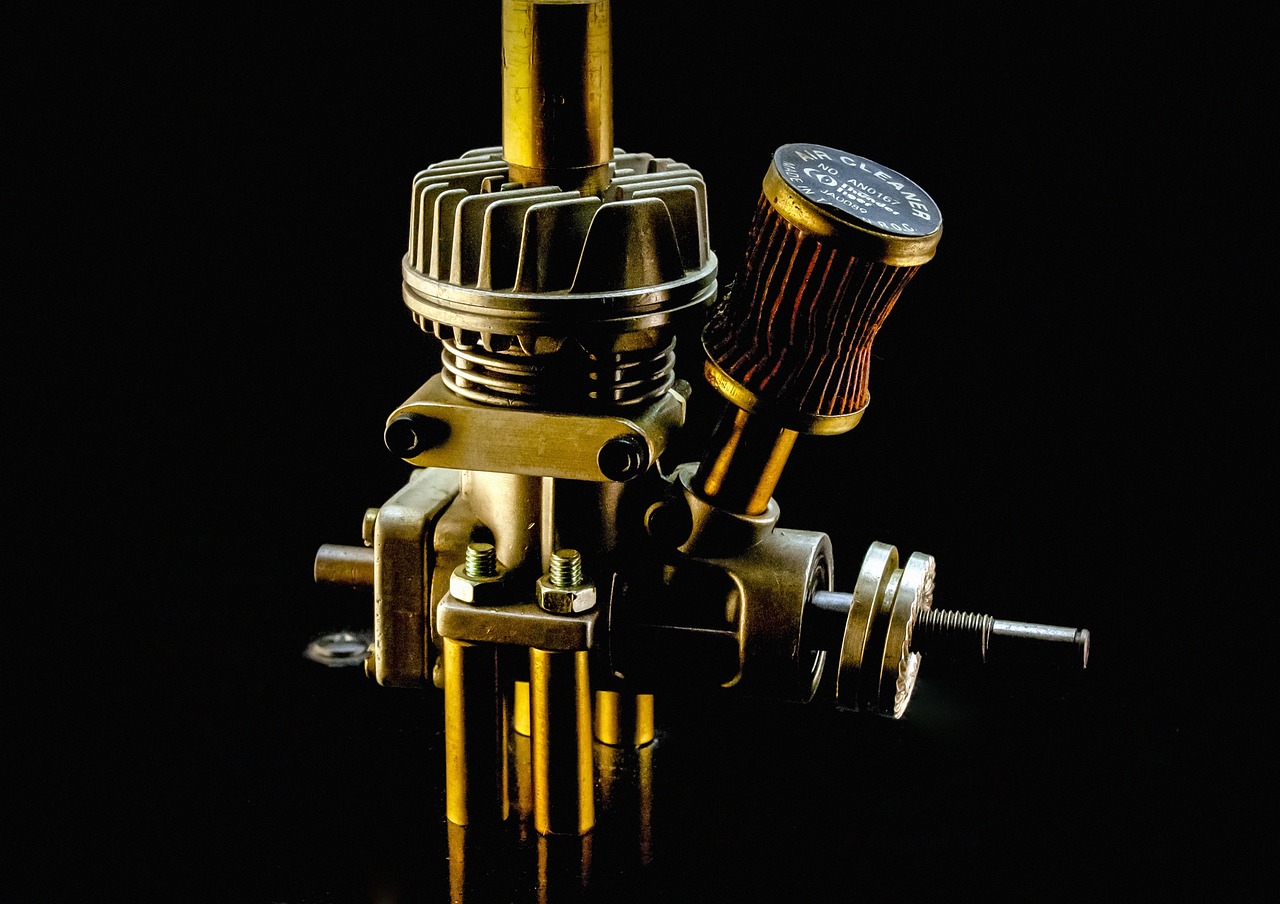
The air filter in your portable air compressor is responsible for trapping contaminants and ensuring clean air flow. Regularly cleaning or replacing the air filter is necessary to prevent dust and debris from entering the compressor and causing damage. A clogged or dirty air filter can strain the motor and decrease overall performance.
Signs of wear and tear in a portable air compressor
Even with proper maintenance and care, portable air compressors can eventually show signs of wear and tear. Recognizing these signs early on can help you address any issues before they worsen. Here are some common signs to watch out for:
Loss of pressure or inability to maintain pressure
If you notice a significant loss of pressure or your portable air compressor is struggling to maintain the desired pressure, it could be a sign of worn-out seals, valves, or other internal components. This can affect the overall performance of the compressor and may require repairs or replacement parts.
Unusual noises or vibrations
Unusual noises or excessive vibrations during operation can indicate worn or damaged components in your portable air compressor. Grinding, squealing, or knocking sounds should not be ignored, as they can signal a potential issue with the motor, pump, or other critical parts.
Air leaks or oil leaks
Leaking air or oil is a clear sign that something is wrong with your portable air compressor. Air leaks can result from damaged hoses, valves, or fittings, while oil leaks may be due to a faulty seal or gasket. Addressing these leaks promptly is crucial to prevent further damage and maintain the compressor’s efficiency.
Motor overheating
If your portable air compressor’s motor is consistently overheating during use, it may be an indication of a malfunctioning cooling system, inadequate ventilation, or excessive workload. Continuous overheating can cause severe damage to the motor and other critical parts, so it should be addressed promptly.
Average life expectancy of a portable air compressor
The life expectancy of a portable air compressor can vary significantly depending on the factors mentioned earlier. Generally, a well-maintained and high-quality compressor can last anywhere from 5 to 15 years or even longer. However, it is essential to remember that this is a general range, and individual circumstances can influence the actual lifespan.
Tips for prolonging the life of a portable air compressor
To ensure your portable air compressor lasts as long as possible, there are several steps you can take. Here are some helpful tips:
Follow manufacturer’s instructions and recommendations
Always refer to the manufacturer’s instructions and recommendations specific to your portable air compressor. These guidelines will outline the necessary maintenance tasks, proper usage guidelines, and any other important information to keep your compressor in optimal condition.
Perform regular maintenance tasks
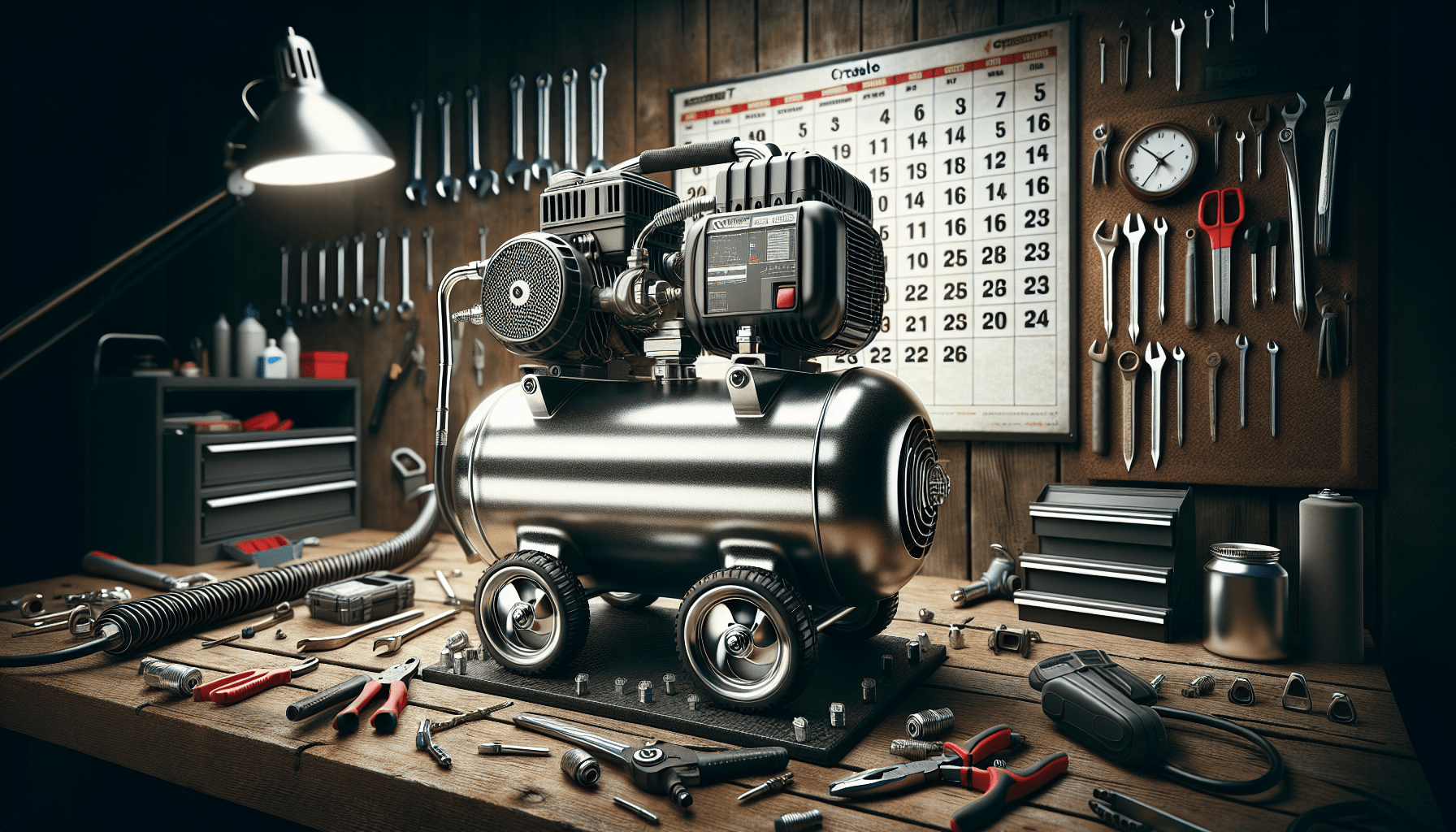
Regularly scheduled maintenance tasks, such as cleaning, oiling, and air filter maintenance, should not be neglected. Set up a maintenance schedule and stick to it to ensure your compressor is receiving the attention it needs to perform at its best and last longer.
Store in a clean and dry environment
Storing your portable air compressor in a clean and dry environment is essential to prevent dust, moisture, and other contaminants from causing damage. A dedicated storage space, such as a garage or shed, can help protect your compressor when it is not in use.
Avoid overloading or exceeding the compressor’s capacity
Every portable air compressor has a specified capacity and operating range. Exceeding these limits or overloading the compressor can strain the motor and other components, leading to premature wear and damage. Always use the compressor within its recommended limits to ensure its longevity.
Use appropriate extension cords and power sources
Using the correct extension cords and power sources is crucial for maintaining the performance and safety of your portable air compressor. Ensure that the cords are compatible with the compressor’s power requirements and the outlets you are using. Using undersized or inadequate cords can cause voltage drops and damage the motor.
When to consider replacing a portable air compressor
Eventually, there may come a time when replacing your portable air compressor is the best option. Here are some signs it may be time to consider a replacement:
Frequent breakdowns or repairs
If your portable air compressor is experiencing frequent breakdowns or requiring frequent repairs, it may be a sign that it is nearing the end of its lifespan. Constant repairs can become costly, and it may be more cost-effective to invest in a new compressor.
Significant decrease in performance
A noticeable decrease in performance, such as reduced pressure output or slower inflation times, can indicate that your portable air compressor is no longer functioning at its best. If these issues persist despite proper maintenance, it may be time to upgrade.
Obsolete or outdated technology
As technology advances, newer models of portable air compressors may offer improved performance, energy efficiency, and additional features. If your current compressor is outdated and cannot keep up with your needs or lacks essential modern features, it may be worth considering an upgrade.
Safety concerns
If your portable air compressor poses a safety risk due to significant wear and tear, ongoing issues, or improper functioning, it is crucial to prioritize safety and replace it as soon as possible. Using a faulty or unsafe compressor can result in accidents, injuries, or property damage.
Factors to consider when purchasing a portable air compressor
When it comes time to purchase a new portable air compressor, there are a few key factors to consider to ensure you make the right choice for your needs:
Intended use and required specifications
Consider how you plan to use your portable air compressor and the specific tasks you need it for. Different compressors have varying capabilities and specifications, such as airflow, pressure, and tank size, so be sure to choose one that aligns with your intended use.
Budget and cost-effectiveness
Determine your budget for a new portable air compressor and strike a balance between quality and cost-effectiveness. While investing in a higher-priced compressor may offer better durability and performance, it is essential to find one that meets your needs without exceeding your budget.
Brand reputation and customer reviews
Research different brands and read customer reviews to gauge the reputation and reliability of different portable air compressor models. Look for brands that consistently receive positive feedback and have a track record of producing quality products.
Warranty and customer support
Check the warranty and customer support options for the portable air compressors you are considering. A good warranty can provide peace of mind and protection against defects or malfunctions, while reliable customer support ensures you have access to assistance when needed.
Conclusion
In conclusion, the life expectancy of a portable air compressor is influenced by several factors, including usage intensity, the quality of materials and construction, and maintenance and care. By understanding these factors and taking appropriate measures, such as regular maintenance and proper usage, you can maximize the lifespan of your portable air compressor. It is worth noting that the average life expectancy can vary between 5 to 15 years or even longer depending on individual circumstances. When considering a replacement, be vigilant for signs of wear and tear, frequent breakdowns, and significant decrease in performance. Consider factors such as intended use, budget, brand reputation, and warranty when purchasing a new portable air compressor. With the right choices and care, your portable air compressor can serve you well for many years to come.