If you’re looking to invest in an air compressor for your home, you might be wondering what size is the right fit for your needs. With so many options out there, it’s important to find the perfect balance between power and portability. In this article, we’ll explore the factors to consider when determining the ideal size of an air compressor for home use. Whether you’re planning on using it for inflating tires, powering tools, or tackling DIY projects, we’ll guide you towards finding the perfect match for your home workshop.

Factors to Consider
Power Requirements
When choosing an air compressor for your home use, one important factor to consider is the power requirements. Take a look at the electrical capacity of your home and ensure that the air compressor you choose can be supported by your electrical system. Some larger air compressors may require a 240-volt outlet, while smaller ones can be powered by a standard 120-volt outlet. It is essential to ensure that the power requirements of the air compressor align with the capabilities of your home’s electrical system.
Usage Frequency
Another factor to consider is how frequently you plan to use the air compressor. If you only anticipate using it occasionally for small tasks, such as inflating tires or powering pneumatic tools, a smaller and more portable air compressor may be sufficient. On the other hand, if you expect to use the air compressor frequently or for more significant projects, investing in a larger and more powerful compressor would be a better choice. Consider your usage patterns and select an air compressor that aligns with your anticipated frequency of use.
Tools and Appliances
To determine the appropriate size air compressor for your home use, it is crucial to consider the tools and appliances you plan to power with it. Different tools and appliances have varying air requirements, typically measured in terms of cubic feet per minute (CFM). By identifying the specific tools and appliances you will be using, you can calculate the required CFM and match it to the air compressor’s capabilities. It is important not to overlook this aspect, as using an air compressor with inadequate CFM for your tools and appliances can result in poor performance and potentially damage your equipment.
Available Space
The amount of space you have available in your home is another factor to consider when choosing the right size air compressor. Air compressors come in various sizes, from compact and portable models to larger stationary units. If you have limited space, a smaller and more portable air compressor would be a practical choice. However, if space is not a constraint, you may opt for a larger model with a higher capacity. Consider the dimensions and footprint of the air compressor and ensure that it can be easily accommodated in your home without causing any inconvenience.
Types of Air Compressors
Reciprocating Compressors
Reciprocating compressors are the most common type of air compressor for home use. They work by using a piston and cylinder to compress the air. These compressors can be either oil-lubricated or oil-free, with oil-lubricated ones generally being more durable and suitable for heavier usage. Reciprocating compressors are versatile, capable of powering various tools and appliances, and come in a range of sizes to suit different needs.
Rotary Screw Compressors
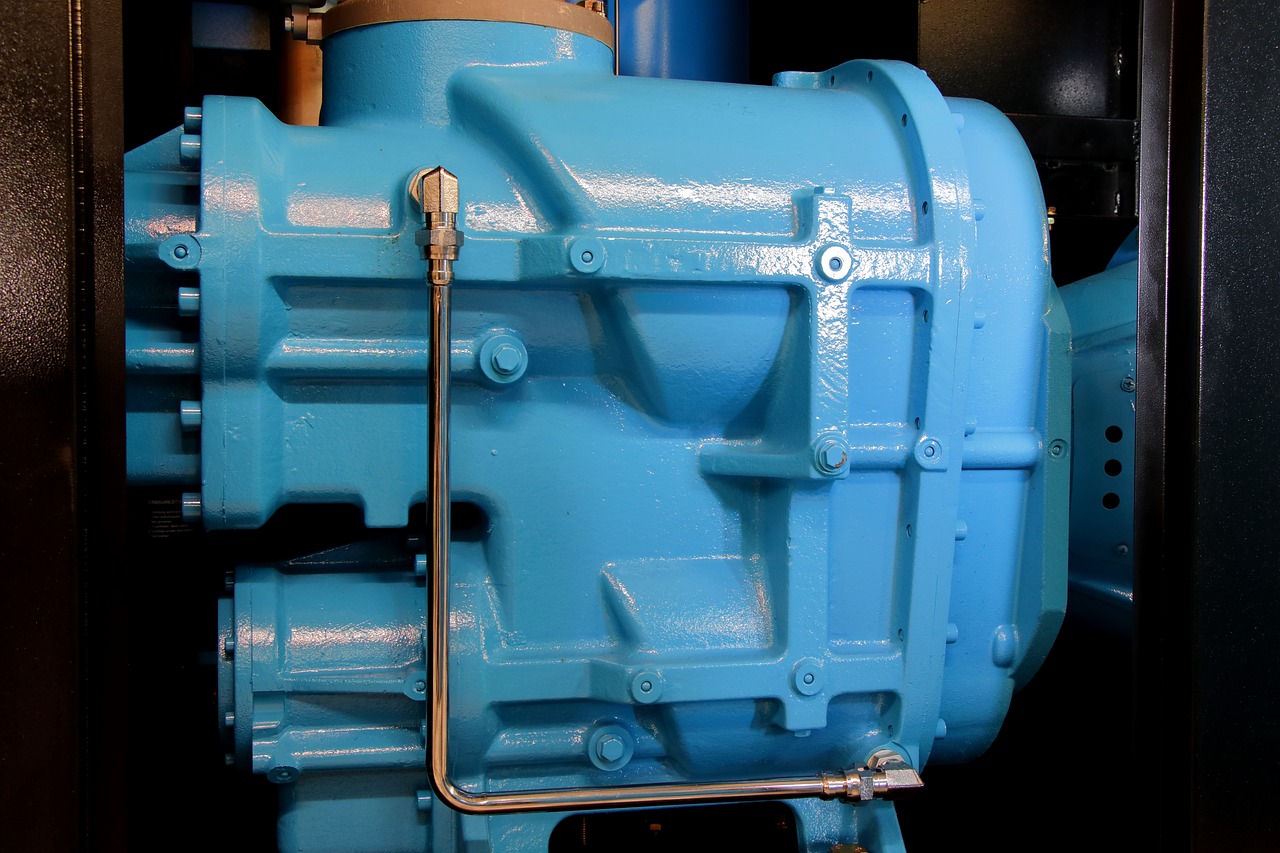
Rotary screw compressors are another popular type of air compressor commonly used for home applications. They operate by using two meshing helical screws to compress the air. Rotary screw compressors are known for their efficiency and quiet operation compared to reciprocating compressors. They are often oil-lubricated and are suitable for continuous and heavy-duty applications.
Rotary Vane Compressors
Rotary vane compressors utilize a rotor with vanes that rotate inside a chamber to compress the air. These compressors are compact, efficient, and operate quietly. They are commonly used for smaller-scale applications and are portable. However, they may not provide the same level of power as reciprocating or rotary screw compressors.
Centrifugal Compressors
Centrifugal compressors are typically larger and more powerful air compressors that are commonly found in industrial settings. They use high-speed rotating impellers to generate air pressure. While centrifugal compressors are rarely used for home applications, they are mentioned here for a comprehensive understanding of the different types available.

CFM (Cubic Feet per Minute)
Determining CFM Requirements
CFM, or cubic feet per minute, is a measurement used to determine the airflow or air capacity of an air compressor. To determine the CFM requirements for your home use, you need to consider the tools and appliances you plan to operate with the air compressor. Each tool or appliance will typically have a recommended CFM rating specified by the manufacturer. By adding up the CFM requirements of all the tools and appliances you plan to use simultaneously, you can determine the minimum CFM capacity needed for your air compressor.
Sizing Based on Tools and Appliances
Once you have determined the total CFM requirements, it is essential to choose an air compressor that can meet or exceed that capacity. It is generally recommended to choose an air compressor with a CFM rating slightly higher than your calculated requirements to ensure optimal performance. However, keep in mind that a higher CFM capacity often corresponds to a larger and more expensive air compressor. Balancing your needs and budget is crucial in selecting the right size air compressor that matches your tool and appliance requirements.
Tank Capacity
Consideration for Tank Size
Tank capacity is another important factor to consider when choosing an air compressor for home use. The tank is where the compressed air is stored, allowing for a consistent supply of air during operation. The size of the tank can vary significantly, from small portable tanks to larger stationary tanks. A larger tank capacity offers the advantage of storing more air, which can be beneficial for tasks requiring a continuous supply of air or when using tools that require short bursts of high-pressure air. Smaller tanks, while more portable, may require more frequent recharging.
Sizing Based on Tool and Appliance Requirements
To determine the appropriate tank size based on your tool and appliance requirements, consider the duty cycle of the tools and appliances you plan to power. Tools that require a continuous supply of air, such as paint sprayers or sandblasters, may benefit from a larger tank size to maintain consistent pressure. Conversely, tools that require short bursts of air, such as nail guns, may not require as large of a tank. By understanding the air demands of your tools and appliances, you can select an air compressor with an appropriate tank size for your specific needs.

Pressure (PSI)
Consideration for Pressure Requirements
Pressure, measured in pounds per square inch (PSI), is another crucial consideration when choosing the right size air compressor for home use. Different tools and appliances have varying pressure requirements to operate optimally. It is essential to match the required PSI of your tools to the air compressor’s output pressure. Failure to do so can result in underpowered tools or potential damage to the equipment. Review the manufacturer’s specifications for each tool and ensure that the air compressor you choose can deliver the necessary pressure.
Sizing Based on Tool and Appliance Requirements
To determine the appropriate air compressor size based on your tool and appliance PSI requirements, examine the specifications for each tool. The recommended PSI may vary, so choose an air compressor that can meet or exceed the highest PSI requirement among your tools and appliances. Having an air compressor with a higher maximum PSI capacity provides flexibility and ensures that you have sufficient pressure for all your tools and appliances.
Portability
Factors to Consider
Portability is an important consideration if you anticipate needing to move your air compressor around your home or take it to different locations. Evaluate the factors that contribute to a compressor’s portability, such as size, weight, handle design, and the presence of wheels. If you plan to use the air compressor in various areas or transport it frequently, a compact and lightweight model with convenient handles and wheels would be ideal. However, if you intend to keep the air compressor in a fixed location, such as a garage or workshop, portability may be less of a priority.
Weight and Size
The weight and size of an air compressor directly impact its portability. Smaller and lighter air compressors are easier to carry and transport, making them suitable for applications where mobility is crucial. However, smaller compressors may have limitations in terms of capacity and power. Larger units may offer more power and capacity, but they become more challenging to move around. Consider your specific needs and balance portability with the necessary power requirements when selecting the size and weight of your air compressor.
Wheels and Handles
An air compressor equipped with wheels and ergonomic handles greatly enhances its portability. Look for models with sturdy and well-designed wheels that can navigate various terrains, making it easier to transport the compressor from one place to another. Additionally, ergonomic handles provide a comfortable grip and ease of maneuverability. Whether you need to move your air compressor up and down stairs or across uneven surfaces, these features can significantly simplify the process.
Noise Level
Consideration for Noise Level
Noise level is an important factor to consider, especially if you plan to use the air compressor in a residential setting. Compressors can produce significant noise during operation, which can potentially disturb you, your family, or your neighbors. When choosing an air compressor for home use, it is advisable to select one that operates at a lower noise level. Keep in mind that the noise level of an air compressor is typically measured in decibels (dB), with lower dB ratings indicating quieter operation.
Quiet Air Compressor Options
Manufacturers understand the importance of minimizing noise in home environments and have developed quieter air compressor options to address this concern. These models are designed with noise-reducing features such as sound insulation, rubberized feet, and innovative mufflers. When browsing air compressor options, look for those specifically labeled as “quiet” or “low-noise” compressors. These models prioritize noise reduction without compromising performance, allowing you to work in a quieter and more comfortable environment.
Maintenance
Oil-Lubricated vs Oil-Free
One aspect of air compressor maintenance to consider is whether you prefer an oil-lubricated or oil-free model. Oil-lubricated air compressors require regular oil changes and maintenance to ensure optimal performance and longevity. If you opt for an oil-lubricated compressor, you need to factor in the additional time and cost associated with regular oil changes. On the other hand, oil-free air compressors eliminate the need for oil changes but may require occasional maintenance such as filter replacement. Consider your preferences and willingness to perform maintenance tasks when choosing between oil-lubricated and oil-free options.
Cleaning and Filter Replacement
Regardless of whether you choose an oil-lubricated or oil-free compressor, regular cleaning and filter replacement are essential maintenance tasks. Dust, debris, and moisture can accumulate inside the compressor, reducing its efficiency and potentially causing damage. Check the manufacturer’s recommendations for cleaning schedules and filter replacement intervals. By following these guidelines, you can ensure that your air compressor operates at its best and has a longer lifespan.
Additional Maintenance Requirements
Aside from oil changes, cleaning, and filter replacements, there may be additional maintenance requirements to consider for specific air compressor models. Certain compressors may have belts, valves, or other components that require periodic inspection and maintenance. Always familiarize yourself with the manufacturer’s instructions and maintenance guidelines for your chosen air compressor. By staying proactive with maintenance, you can avoid unexpected breakdowns and ensure the longevity and optimal performance of your air compressor.
Budget
Determining Your Budget
When selecting the right size air compressor for home use, considering your budget is essential. Determine how much you are willing to spend on an air compressor and establish a budget. Keep in mind that larger and more powerful air compressors tend to be more expensive compared to smaller ones. However, it is important to balance your budget constraints with your air compressor requirements to ensure you get a compressor that meets your needs without overspending.
Comparing Price vs Performance
While it may be tempting to opt for a budget-friendly air compressor, it is crucial to consider the performance and quality that each model offers. Compare different models based on their specifications, features, and customer reviews. Quality air compressors may come with a higher price tag but offer better performance, durability, and reliability. Investing in a reputable and reliable brand can save you money in the long run, as you are less likely to encounter issues or need to replace the compressor prematurely.
Consideration for Long-Term Costs
In addition to the upfront cost of purchasing the air compressor, it is important to consider the long-term costs associated with maintenance, repairs, and energy consumption. Some air compressors may require more frequent oil changes or have higher energy consumption rates, resulting in increased operating costs over time. Assess the overall cost of ownership, taking into account not only the initial purchase price but also the potential ongoing expenses. By considering the long-term costs, you can make a more informed decision and select an air compressor that provides good value for your investment.
Recommended Air Compressor Sizes
Small-sized Air Compressors
Small-sized air compressors are suitable for light-duty tasks and occasional home use. They typically have lower CFM ratings, smaller tank capacities, and lower PSI outputs. These compressors are portable, compact, and convenient for tasks such as inflating tires, powering small pneumatic tools, or operating airbrushes. Small-sized air compressors are ideal for homeowners who have limited space, occasional air tool needs, and low-volume tasks.
Medium-sized Air Compressors
Medium-sized air compressors offer a balance between portability and capacity. They are suitable for homeowners who require a more significant air supply and plan to use the compressor regularly for medium-duty applications. With higher CFM ratings, larger tank capacities, and higher PSI outputs, medium-sized compressors can power a wider range of tools and appliances. These compressors are suitable for tasks such as operating nail guns, impact wrenches, paint sprayers, and sanders.
Large-sized Air Compressors
Large-sized air compressors are designed for heavy-duty applications and continuous usage. These compressors have high CFM ratings, large tank capacities, and higher PSI outputs, making them capable of powering multiple tools simultaneously or handling demanding tasks such as sandblasting or operating large pneumatic tools. While large-sized compressors offer maximum power and performance, they are often stationary units and may require more space. Homeowners with significant air tool needs or extensive projects can benefit from investing in a large-sized air compressor.
In conclusion, choosing the right size air compressor for home use involves considering multiple factors such as power requirements, usage frequency, tools and appliances, available space, CFM, tank capacity, pressure, portability, noise level, maintenance, and budget. Evaluating these factors will help you select an air compressor that aligns with your specific needs and ensures efficient and reliable operation for your home projects and tasks.